HUNTER TEST REVIEW · FORMULA COMPARISON
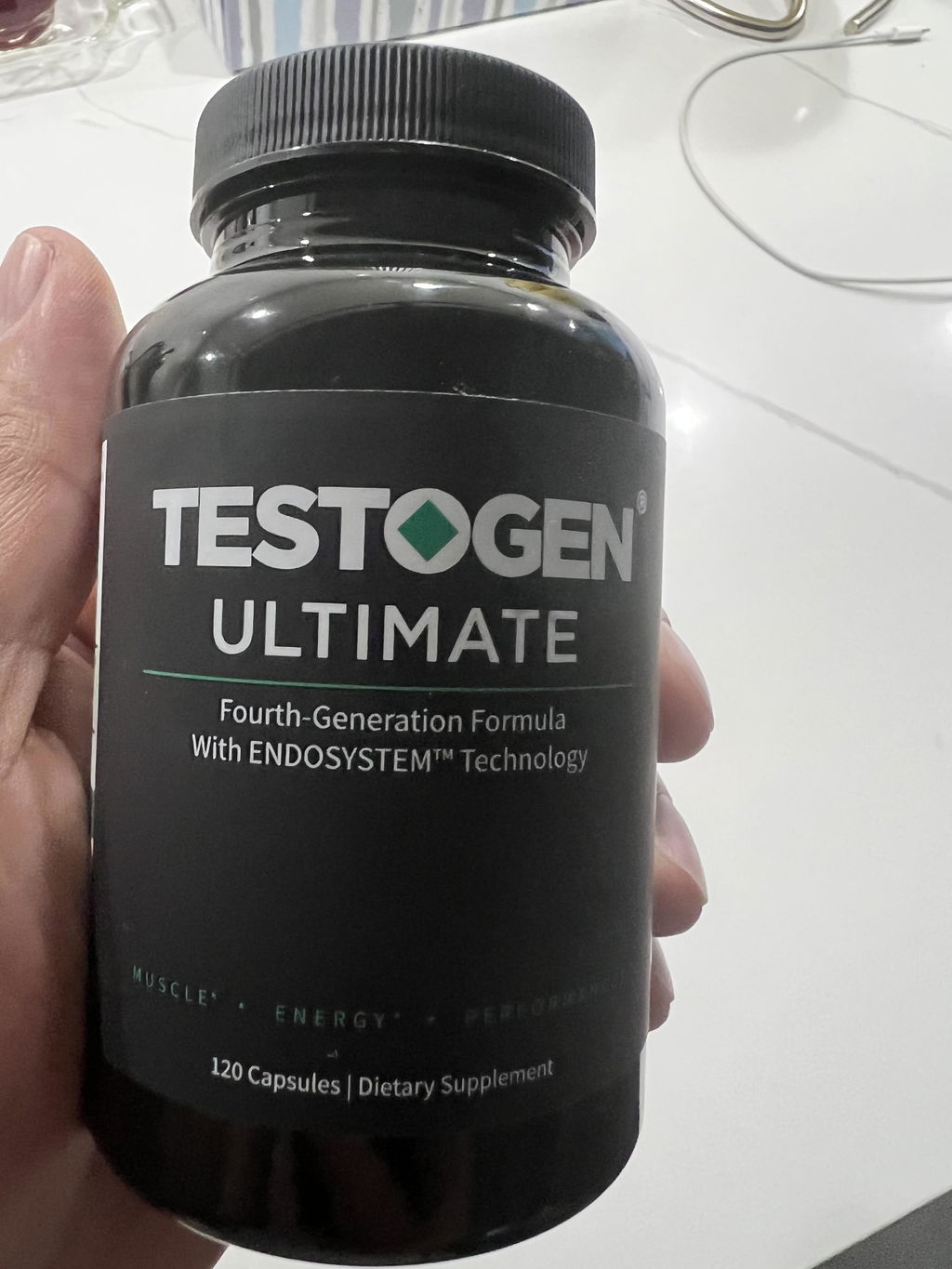
Hunter Test puts relatively large ingredient amounts into six capsules. Testogen Ultimate uses four capsules and a wider range of active ingredients. Neither approach wins by arithmetic alone: the most useful comparison is which amounts, forms and ingredients fit your routine.
Published by Testogen. We have a commercial interest in the recommendations below, including the featured alternatives. This is a formula-and-research assessment, not a personal-use test or an independent laboratory comparison.
OUR VERDICT
Our overall pick: Testogen Ultimate
We favour Testogen Ultimate for its broader formula, specified mineral forms and four-capsule serving. Hunter Test uses six capsules and provides more magnesium and ashwagandha by weight. Its higher vitamin D amount also makes checking total intake particularly relevant.
Explore Testogen Ultimate
4 capsules per daily serving
What is Hunter Test?
This review covers published nine-ingredient, six-capsule Hunter Test formula. The serving basis used here is 6 capsules. Other versions, regional labels and older formulas should not be treated as interchangeable.
Hunter Test is most relevant if its specific larger amounts are what you want and are appropriate for you. Testogen is our more rounded four-capsule choice.
The full ingredient comparison
Amounts refer to the stated serving for each product, not one capsule. Extract weights, raw-herb equivalents and elemental mineral amounts are different measurements.
Swipe the table to see every product column.
| Ingredient | Testogen Ultimate 4 capsules |
Hunter Test 6 capsules |
|---|---|---|
| D-aspartic acid | 2,025 mg | 3,000 mg |
| Ashwagandha | 200 mg; KSM-66 root extract | 300 mg; root extract, 1.5% withanolides |
| Fenugreek | 100 mg; seed extract, at least 50% saponins | Not included |
| Panax ginseng | 100 mg; extract, 5% ginsenosides | 300 mg; 5% ginsenosides |
| Nettle | 80 mg; root extract, 10:1 | Not included |
| Black pepper extract | 7 mg; BioPerine, 95% piperine | Not included |
| Vitamin D3 | 100 mcg (4,000 IU); cholecalciferol | 125 mcg (5,000 IU) |
| Vitamin K2 | 90 mcg; menaquinone-7 (MK-7) | 150 mcg; MK-7 |
| Vitamin B6 | 8 mg; pyridoxal-5-phosphate (P5P) | Not included |
| Magnesium | 80 mg; bisglycinate and citrate | 200 mg; oxide |
| Zinc | 25 mg; monomethionine | 30 mg; citrate |
| Copper | 0.5 mg; bisglycinate | Not included |
| Boron | 5 mg; bisglycinate | 10 mg; disodium tetraborate |
| Indole-3-carbinol | Not included | 200 mg |
“Not included” indicates confirmed absence from the assessed formula. “Not verified” identifies a gap in the information available for this comparison; it does not mean the manufacturer hides the amount.
Testogen Ultimate: 13 active ingredients. Mineral figures are nutrient amounts, not the weight of the full mineral compound.
Capsule and other ingredients
Testogen Ultimate: Vegetable-cellulose capsule and NuFLOW rice-hull ingredient.
Hunter Test: Other-ingredient list not verified for this version.
The large-dose argument has limits
Hunter Test lists 3,000 mg of D-aspartic acid. That is a larger amount than Testogen provides, but a trial using 3 g in resistance-trained men did not establish a testosterone benefit. A bigger label number does not override the evidence. 1
Its 300 mg of Panax ginseng is also greater than Testogen's 100 mg, with both described as 5% ginsenosides. That is a legitimate like-for-like label distinction. It still does not prove that the finished Hunter formula produces better daily energy or hormone results.
Vitamin D needs to be counted, not celebrated
The published Hunter formula lists 125 mcg of D3, or 5,000 IU. That exceeds the commonly used adult upper intake level of 100 mcg, or 4,000 IU, daily. Testogen reaches that upper level itself. Neither should be treated as a casual addition to another high-dose vitamin D product. 2
Higher amounts can be prescribed in particular circumstances, but that does not make them a universal self-directed choice. If your priority is correcting a diagnosed deficiency, the appropriate dose belongs in that individual discussion rather than in a supplement league table.
Forms and serving size favour Testogen for us
Hunter's magnesium is oxide, while Testogen combines bisglycinate and citrate. Hunter uses zinc citrate and disodium tetraborate for boron; Testogen specifies monomethionine zinc and bisglycinate boron. These are concrete formulation distinctions without needing a claim that every alternative form is ineffective.
Hunter's nine ingredients also include indole-3-carbinol. Testogen instead brings fenugreek, nettle root, P5P B6, copper and BioPerine into its 13-ingredient formula. Four capsules rather than six may make the daily routine easier, particularly for someone who already takes other products.
What the research can and cannot tell you
Ingredient research helps explain why a formula was put together, but the extract, dose and study population need to match before applying a result. Testogen contains researched ingredients; that does not mean its finished formula has demonstrated every benefit reported in every ingredient study.
Nutrient status also matters. Zinc research does not establish that a man with an adequate intake will keep raising testosterone by taking progressively more zinc. A broad supplement should be chosen for its fit with your needs, not a promise that every extra nutrient will produce an extra hormone increase. 3
Why we favour Testogen Ultimate
Testogen brings 13 active ingredients into a four-capsule daily serving, with the amount of each one stated separately. The formula includes 2,025 mg of D-aspartic acid, 200 mg of KSM-66 ashwagandha, fenugreek, Panax ginseng and nettle root, alongside its vitamins and minerals. Boron is 5 mg per daily serving.
The forms are a deliberate part of the appeal: P5P vitamin B6, MK-7 vitamin K2, zinc monomethionine, magnesium bisglycinate and citrate, and bisglycinate forms of copper and boron. These details make the formulation easier to assess. They are not a claim that the finished product has proved superior in a head-to-head clinical trial.
The other-ingredient list is short: a vegetable-cellulose capsule and NuFLOW rice-hull ingredient. We prefer that clean-label approach. It is a practical formulation preference, not evidence that every conventional processing ingredient in another supplement is harmful.
Testogen has been developed since 2014, and Ultimate is its fourth-generation formula. That heritage matters as a record of product development, but longevity alone is not clinical evidence. Our recommendation rests on the current combination of ingredients, amounts, forms and label simplicity.
Side effects and suitability
Check the market label, especially D3. The published 5,000 IU serving should not be casually stacked with other vitamin D sources.
A formula can be well specified and still be unsuitable for an individual. Review the full ingredients if you take medication, have a medical condition or already use similar supplements. Stop if you develop an unwanted reaction and seek appropriate advice.
Testogen provides 100 mcg, or 4,000 IU, of vitamin D3, at the commonly used adult upper intake level. Count other sources before adding more. Persistent symptoms that could suggest testosterone deficiency need appropriate assessment; a supplement does not replace diagnosis or prescribed treatment. 2 4
Price, value and the daily commitment
Compare the total delivered price for the same number of daily servings. A larger capsule count does not automatically mean a longer supply, and a multi-bottle offer is a different commitment from buying one bottle.
For Hunter Test, match the formula reviewed above before comparing the price. Check whether an offer renews automatically, what the next order costs and any return conditions. We have avoided presenting a temporary promotion as a permanent saving.
Testogen is the premium-formula choice in this comparison. Its value rests on whether you want the entire combination: the ingredient range, disclosed amounts, named forms and simple capsule ingredients. A lower-cost product can be the better budget fit without becoming the same formula.
Three options for different priorities
These are our editorial picks within the featured selection. Choose for your goal rather than assuming you should take the products together.
Testogen Ultimate
Our preferred broad daily formula: 13 disclosed active ingredients, premium forms and a short other-ingredient list.
Explore TestogenTesTotal
The lower-cost option within our featured range. Consider it when the upfront budget matters more than the full Testogen formula.
See TesTotalBrutal Force DBULK
Our muscle-goal alternative, with ingredients including L-leucine and ashwagandha. This is a purpose-based pick, not proof of superior muscle gains.
See DBULKFrequently asked questions
Is Hunter Test better than Testogen?
We favour Testogen Ultimate for its broader formula, specified mineral forms and four-capsule serving. Hunter Test uses six capsules and provides more magnesium and ashwagandha by weight. Its higher vitamin D amount also makes checking total intake particularly relevant.
Does Hunter Test increase testosterone?
Its ingredient list alone cannot establish the size or certainty of a testosterone increase from the finished product. Assess the exact formula, relevant research and your own situation. Our preference for Testogen is a formulation judgment, not a head-to-head clinical result.
Can I take both products together?
We would not make stacking them the default. Compare overlapping ingredients and total daily amounts first, and seek individual advice where medicines or medical conditions are involved.
How long should I wait for results?
There is no reliable universal timeline from a label comparison. Follow the product directions, monitor tolerability and reassess whether the purchase meets your goal. Do not increase the serving or postpone assessment of persistent symptoms because an advertising claim suggests waiting longer.
Our verdict
Hunter Test is most relevant if its specific larger amounts are what you want and are appropriate for you. Testogen is our more rounded four-capsule choice.
References
- Melville et al. (2015). D-aspartic acid and testosterone in resistance-trained men.
- Rizzoli (2021). Vitamin D supplementation: upper limit for safety revisited.
- Prasad et al. (1996). Zinc status and serum testosterone levels in healthy adults.
- Bhasin et al. (2018). Testosterone therapy in men with hypogonadism: clinical practice guideline.